Bed Bug
(Cimex lectularius)
The common bed bug (Cimex lectularius) is a small, wingless, blood-feeding insect that has become one of the most significant urban pests worldwide. Learn about its identification, life cycle, reproduction, habitat, feeding habits, behavior, health risks, signs of infestation, and prevention.
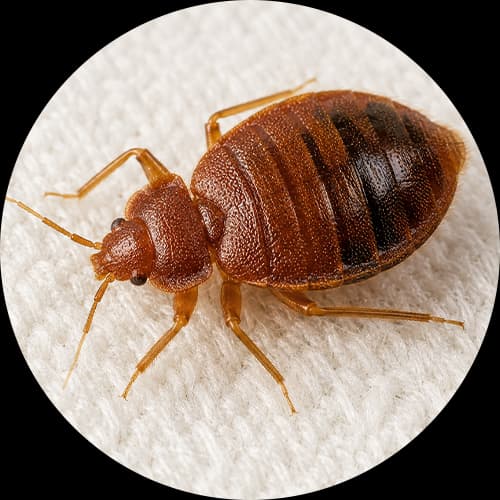
Bed Bug (Cimex lectularius)
The common bed bug (Cimex lectularius) is a small, wingless, blood-feeding insect that has become one of the most significant urban pests worldwide. Bed bugs are not known to transmit diseases to humans; however, their bites can cause itching, allergic reactions, sleep disturbance, and psychological stress. They are excellent hitchhikers, spreading easily through luggage, furniture, clothing, and personal belongings, making infestations common in homes, hotels, dormitories, hospitals, and public transportation.
Identification
Cimex lectularius
Distinctive Features:
Broad, flat, oval body
Six well-developed legs
Four-segmented antennae
Piercing-sucking mouthparts adapted for blood feeding
Unable to fly or jump but capable of crawling rapidly
Life Cycle
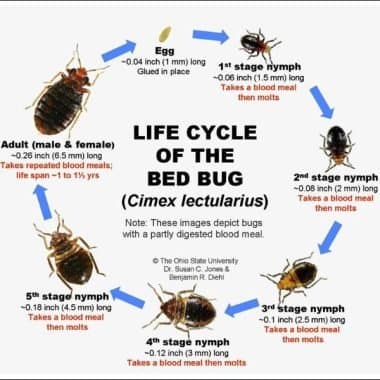
Bed bugs undergo incomplete metamorphosis (hemimetabolous development) with three life stages.
Egg Stage
Nymph Stage
Adult Stage
Traumatic Insemination
Bed bugs reproduce through traumatic insemination, a unique reproductive process in which the male pierces the female's abdomen to transfer sperm.
Under ideal indoor conditions:
Rapid Urban Spread
Development from egg through 5 nymphal instars to mature adult typically takes 5–8 weeks, with adults surviving 6–12 months.
Each nymphal stage requires a blood meal before molting, and females lay 200–500 eggs over their lifetime.
Habitat
Bed bugs prefer locations close to sleeping or resting hosts.
Common hiding places include:
Heavy infestations may spread throughout an entire building.
Feeding Habits
Bed bugs feed exclusively on the blood of humans and other warm-blooded animals.
Preferred hosts include:
Feeding characteristics:
Behavior
Primarily nocturnal
Excellent at hiding in tiny cracks and crevices
Do not build nests
Aggregate in harborages close to hosts
Unable to fly or jump
Crawl rapidly across floors, walls, ceilings, and furniture
Spread passively through luggage, furniture, clothing, and personal belongings
Signs of Infestation
Common indicators include:
Live bed bugs
Tiny white eggs and eggshells
Shed skins (cast exoskeletons)
Small black fecal spots on mattresses or furniture
Rust-colored blood stains on sheets or pillowcases
Sweet, musty odor in severe infestations
Bite reactions on exposed skin (not all individuals react)
Health Risks
Although bed bugs are not known to transmit human diseases, they can cause several health concerns:
Itchy bite reactions
Allergic skin responses
Secondary bacterial infections from scratching
Sleep disruption
Anxiety and psychological stress
Reduced quality of life
Economic losses due to treatment and replacement of infested items
Signs of Bites
Typical bite characteristics include:
Usually occur on exposed skin such as:
Reaction severity varies significantly among individuals, and some people show no visible reaction.
Favorable Conditions
Bed bug infestations thrive where:
Unlike many household pests, bed bugs do not require poor sanitation and infest both clean and cluttered environments.
Seasonal Activity
In climate-controlled buildings, bed bugs remain active throughout the year. Infestations often increase during periods of:
Why Bed Bugs Are Difficult to Eliminate
Bed bugs are particularly challenging pests because they:
Distribution
The common bed bug is found worldwide and is especially prevalent in:
Quick Facts
| Feature | Details |
|---|---|
| Scientific Name | Cimex lectularius |
| Common Name | Common Bed Bug |
| Size | 4–7 mm |
| Color | Reddish-brown |
| Diet | Blood of humans and other warm-blooded animals |
| Active Period | Primarily nocturnal |
| Development | Egg → 5 Nymphal Instars → Adult |
| Adult Lifespan | 6–12 months |
| Eggs per Female | 200–500 |
| Flight Ability | Cannot fly |
| Jumping Ability | Cannot jump |
| Disease Transmission | No confirmed transmission to humans |
| Primary Concern | Bites, allergic reactions, sleep disturbance, psychological stress |
Prevention
Effective prevention includes:
Inspect hotel rooms before unpacking
Keep luggage elevated and away from beds
Inspect second-hand furniture before bringing it indoors
Reduce clutter around sleeping areas
Encase mattresses and box springs with certified bed bug-proof covers
Vacuum regularly, especially around beds and furniture
Seal cracks and crevices in walls and furniture
Inspect luggage and clothing after travel
Wash and dry clothing on high heat after returning from trips
Professional Bed Bug Elimination
Get in touch for specialized odorless residual spray & steam jet bed bug treatment for complete eradication.
Protect Your Property from Bed Bugs
Professional, safe, and effective pest management solutions for homes and businesses.