Brown-banded Cockroach
(Supella longipalpa)
The Brown-banded cockroach is a small indoor species that differs from other cockroaches by preferring warm, dry environments rather than humid areas. Learn about its identification, life cycle, habitat, feeding habits, behavior, health risks, signs of infestation, and prevention.
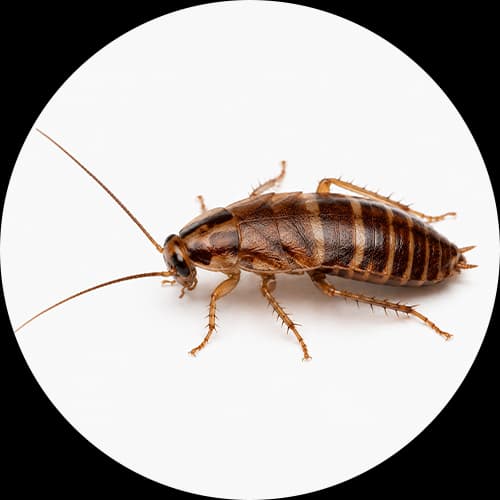
Brown-banded Cockroach (Supella longipalpa)
The Brown-banded cockroach is a small indoor species that differs from other cockroaches by preferring warm, dry environments rather than humid areas. It commonly infests homes, offices, hotels, hospitals, and apartment buildings. Unlike German cockroaches, it is often found throughout buildings instead of remaining close to kitchens.
Identification
Supella longipalpa
Distinctive Features:
Two light-colored transverse bands across the wings and abdomen
Males are slender with longer wings
Females have shorter, broader wings
Adults may fly short distances
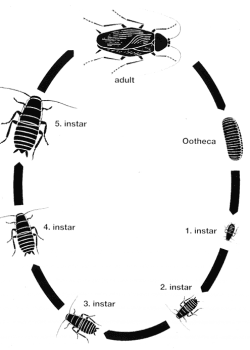
Life Cycle
Egg (Ootheca)
Nymph
Adult
Elevated Egg Placement
Females glue egg capsules to furniture, ceilings, walls, or appliances. Multiple generations can occur annually indoors.
Development from nymph through 6–8 molts usually requires 2–4 months, and adults live approximately 5–7 months.
Habitat
Unlike most cockroach species, Brown-banded cockroaches prefer dry, elevated locations.
Common hiding places include:
Bedrooms
Living rooms
Offices
Furniture
Behind picture frames
Ceiling voids
Electronics
Closets
Upper cabinets
Feeding Habits
Brown-banded cockroaches feed on:
Behavior
Active mainly at night
Excellent climbers
Prefer warm, dry environments
Often found high on walls or ceilings
Less dependent on water than other common cockroach species
Health Risks
Brown-banded cockroaches:
Contaminate food and household items
Carry bacteria mechanically
Produce allergens associated with asthma and allergic reactions
Can infest sensitive environments such as hospitals and offices
Signs of Infestation
Small tan cockroaches in upper cabinets or furniture
Egg capsules attached to hidden surfaces
Small droppings
Shed skins
Visible insects in bedrooms or living areas
Prevention
Keep food securely stored
Vacuum regularly, including furniture and shelving
Reduce clutter
Seal cracks around cabinets and furniture
Inspect second-hand furniture and electronics before bringing them indoors
Monitor with sticky traps to detect early infestations
Professional Cockroach Control
Get in touch for specialized whole-building treatments, baiting systems, and long-lasting protection.
Protect Your Property from Cockroaches
Professional, safe, and effective pest management solutions for homes and businesses.