Dampwood Termites
(Family: Kalotermitidae and Archotermopsidae)
Dampwood termites are among the largest termite species and are named for their preference for wood with a high moisture content. Learn about their identification, colony structure, life cycle, habitat, signs of infestation, damage, 3-way comparison, and prevention.
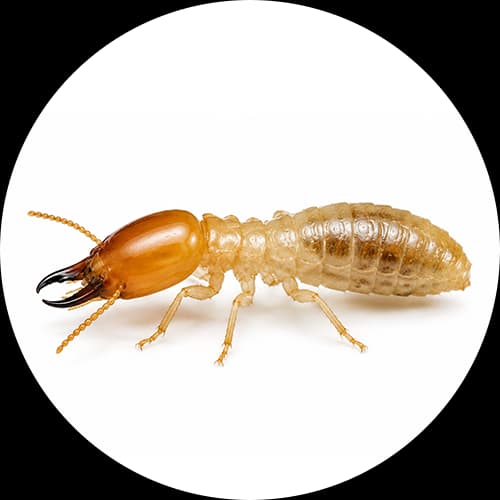
Dampwood Termites (Kalotermitidae & Archotermopsidae)
Dampwood termites are among the largest termite species and are named for their preference for wood with a high moisture content. Unlike subterranean termites, they do not require direct contact with soil, and unlike drywood termites, they cannot survive in dry timber. They typically infest decaying, water-damaged, or fungus-infected wood and are most commonly associated with leaks, poor drainage, and persistently damp structural timber.
Although dampwood termites are less common in sound, well-maintained buildings, they can cause significant structural damage when moisture problems are left unresolved. Their presence often indicates an underlying water or moisture issue that should be addressed promptly.
Identification
Kalotermitidae & Archotermopsidae
Dampwood Termite Castes
Worker-like Immatures (Pseudergates)
Like drywood termites, dampwood termites do not have a true worker caste. Instead, immature termites known as pseudergates perform worker duties.
Size: 5–8 mm
Color: Creamy white to pale yellow
Soldier Termites
Size: 7–12 mm
Large amber to reddish-brown head
Winged Reproductives (Alates)
Among the largest winged termites
Size: 12–20 mm including wings
Dark brown to black body
Colony Structure
Dampwood termite colonies consist of several specialized castes.
Queen
King
Pseudergates
Soldiers
Winged Reproductives
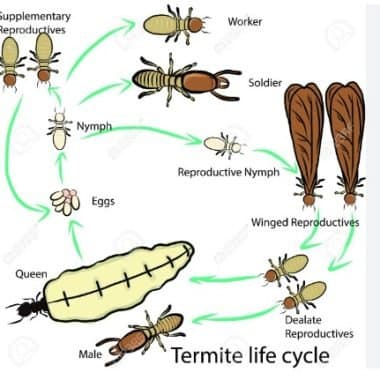
Life Cycle
Dampwood termites undergo incomplete metamorphosis.
Egg Stage
Pseudergate Stage
Adult Castes
Most colonies contain 2,000–10,000 individuals, though colony size varies by species.
Reproduction
Dampwood termites reproduce through seasonal swarming.
During favorable weather conditions:
High-Moisture Harbourage
Unlike subterranean termites, dampwood termites do not require soil contact, and unlike drywood termites, they cannot survive in dry timber.
Eliminating the underlying water leak or moisture source often renders the timber unsuitable for continued colony survival.
Habitat
Dampwood termites require wood with a high moisture content.
Typical habitats include:
They rarely infest dry, sound timber.
Feeding Habits
Dampwood termites feed on cellulose found in:
Unlike drywood termites, they require moisture-rich wood for survival.
Behavior
Live entirely inside damp wood
Do not require soil contact
Excavate large, smooth galleries
Prefer wood affected by moisture or fungal decay
Avoid exposure to dry conditions
Colony growth is generally slower than subterranean termites
Signs of Infestation
Common indicators include:
Large termites inside damp or decaying wood
Hollow-sounding timber
Water-damaged wood with internal galleries
Swarms of winged termites
Discarded wings near windows or light sources
Soft or weakened wooden structures
Moisture-damaged wood associated with termite activity
Damage Caused
Dampwood termites consume wood from the inside, creating broad galleries that weaken structural components.
Commonly affected materials include:
Although infestations are generally associated with moisture-damaged wood, prolonged activity can significantly weaken affected structures.
Favorable Conditions
Dampwood termites thrive where the following conditions exist:
Seasonal Activity
Dampwood termites remain active year-round where moisture is consistently available.
Swarming generally occurs during:
Swarming periods vary depending on species, climate, and local environmental conditions.
Why Dampwood Termites Are Difficult to Eliminate
Dampwood termites can be challenging to detect because they:
However, unlike subterranean termites, eliminating the underlying moisture problem often makes the environment unsuitable for continued infestation.
Distribution
Dampwood termites are most common in:
They are frequently found in:
Comparison: Dampwood vs. Drywood vs. Subterranean Termites
| Feature | Dampwood Termites | Drywood Termites | Subterranean Termites |
|---|---|---|---|
| Nest Location | Moist or decaying wood | Dry wood | Underground soil |
| Soil Contact | Not required | Not required | Required |
| Moisture Requirement | High | Low | High |
| Colony Size | 2,000–10,000 | 1,000–5,000 | 100,000–1,000,000+ |
| Mud Tubes | No | No | Yes |
| Fecal Pellets | Moist; remain in galleries | Dry, hard pellets expelled through kick-out holes | Not visible outside galleries |
| Common Damage | Water-damaged timber, decks, fences | Furniture, framing, doors | Structural timber and foundations |
Common Pest Species
| Common Name | Scientific Name | Distribution |
|---|---|---|
| Pacific Dampwood Termite | Zootermopsis angusticollis | Western North America |
| Nevada Dampwood Termite | Zootermopsis nevadensis | Western North America |
| Giant Dampwood Termite | Neotermes castaneus | Caribbean and tropical Americas |
| Australian Dampwood Termite | Porotermes adamsoni | Australia |
| Japanese Dampwood Termite | Hodotermopsis japonica | Japan |
Quick Facts
| Feature | Details |
|---|---|
| Common Name | Dampwood Termites |
| Scientific Families | Kalotermitidae and Archotermopsidae |
| Diet | Cellulose in damp or decaying wood |
| Colony Size | 2,000–10,000 individuals |
| Nest Location | Moist wood |
| Development | Egg → Pseudergate → Soldier/Reproductive |
| Queen Lifespan | 10–20 years |
| Soil Contact | Not required |
| Distinctive Sign | Large termites in water-damaged wood; no mud tubes or dry frass |
| Active Period | Year-round where moisture is present |
| Swarming Season | Late spring to early autumn (varies by species) |
| Major Risk | Structural damage associated with chronic moisture problems |
Prevention
Effective prevention measures include:
Repair roof and plumbing leaks promptly
Improve building drainage
Increase ventilation in crawl spaces and roof voids
Replace water-damaged timber
Eliminate wood-to-ground contact where possible
Remove decaying stumps and logs near buildings
Maintain gutters and downspouts
Seal windows and exterior joints to prevent water intrusion
Schedule regular professional termite inspections
Professional Moisture & Termite Control
Get in touch for specialized timber treatment, moisture source identification, and comprehensive building protection.
Protect Your Property from Dampwood Termites
Professional, safe, and effective pest management solutions for homes and businesses.