Dog Ticks
(Rhipicephalus sanguineus – Brown Dog Tick) (Ixodidae)
Dog ticks are eight-legged external parasitic arachnids that attach to domestic dogs to feed on blood and can complete their entire life cycle indoors inside kennels and homes. Learn about their identification, 4-stage life cycle requiring blood meals, dog tick vs flea comparison, and treatment.
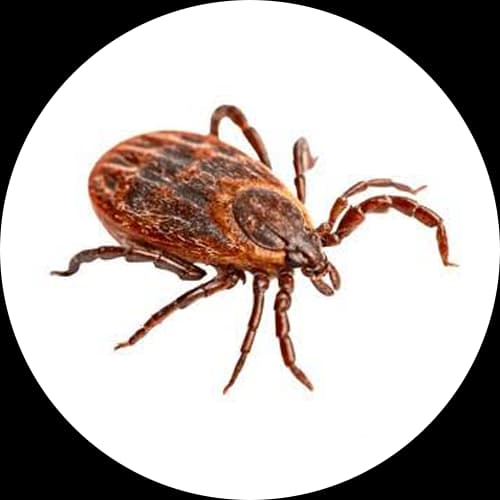
Dog Ticks (Rhipicephalus sanguineus – Brown Dog Tick)
Dog ticks, commonly known as brown dog ticks, are external parasitic arthropods that primarily infest domestic dogs. They belong to the family Ixodidae (hard ticks) and are among the most important tick species associated with homes, kennels, veterinary facilities, and animal housing areas.
Unlike fleas, ticks do not jump or fly. They crawl and attach themselves to hosts to feed on blood. Dog ticks are highly adapted to living in indoor environments and can complete their entire life cycle inside buildings when suitable hosts are available.
Dog ticks are important pest management concerns because they can:
• Cause irritation and discomfort to animals
• Lead to heavy infestations in kennels and homes
• Transmit disease-causing organisms
• Create recurring infestations if environmental areas are not treated
Identification
Rhipicephalus sanguineus (Ixodidae: Arachnida)
Engorged Female Tick
After feeding:
Key Identification Features
Life Cycle
Dog ticks undergo complete life cycle development through four stages: Egg → Larva → Nymph → Adult.
Unlike fleas, most tick stages require a host blood meal before progressing to the next stage.
Thousands Laid in Protected Cracks
Common egg-laying sites:
A female may lay thousands of eggs depending on conditions
Egg development: Several weeks depending on temperature and humidity
Tiny Six-Legged Seed Ticks
Common hosts:
After feeding: Larvae detach and molt into nymphs
Eight-Legged Second Blood Meal
Characteristics:
Host Mating & Engorgement
Adult lifespan:
Several months depending on environmental conditions
Reproduction
Dog ticks reproduce efficiently in suitable environments.
Reproductive Characteristics:
Population growth is encouraged by:
Feeding Habits
Dog ticks are blood-feeding parasites.
Common Hosts:
Primary host: Domestic dogs
Other possible hosts:
Feeding Behavior:
Ticks:
• Crawl onto hosts
• Attach using specialized mouthparts
• Remain attached for several days while feeding
• Drop off after becoming engorged
Behavior
Dog ticks are highly adapted to both animal and indoor environments.
Activity Pattern:
• Active throughout the year in suitable climates
• Can survive indoors without outdoor exposure
Seek hosts by detecting:
Common Hiding Locations:
Habitat
Dog ticks are unique because they can establish populations indoors.
Residential Areas
Common locations:
Commercial Areas
Frequently found in:
Industrial & Institutional Areas
Possible locations:
Signs of Dog Tick Activity
Ticks on Dogs
Common indicators: Ticks attached around:
• Ears
• Neck
• Between toes
• Under collars
• Around eyes
Environmental Tick Sightings
Signs include:
• Ticks crawling on walls or floors
• Ticks near pet bedding
• Tick accumulation in cracks and corners
Pet Symptoms
Infested dogs may show:
• Excessive scratching
• Licking or biting skin
• Restlessness
• Skin irritation
• Hair loss
Damage and Nuisance Caused
Effects on Dogs
Tick infestations may cause:
• Skin irritation
• Inflammation
• Wounds at attachment sites
• Stress and discomfort
Heavy infestations may result in:
• Blood loss | • Weakness | • Anemia, especially in young animals
Human Concerns
Dog ticks may occasionally bite humans, especially when:
• Tick populations are high
• Dogs are absent
• Ticks search for alternative hosts
Commercial Impact
Dog ticks may affect:
Kennels, Veterinary facilities, Hotels accepting pets, Animal shelters
Concerns include:
• Customer complaints
• Animal welfare issues
• Difficulty eliminating infestations
Health Risks
Tick Bites
Tick bites may cause:
• Redness
• Swelling
• Itching
• Local irritation
Disease Transmission
Brown dog ticks can transmit several pathogens affecting animals and, in some cases, humans. Important examples include:
Canine Ehrlichiosis
Caused by: Ehrlichia canis
Affects: Dogs
Canine Babesiosis
Caused by: Babesia species
Affects: Red blood cells of dogs
Rocky Mountain Spotted Fever
Caused by: Rickettsia rickettsii
Affects: (Importance varies by geographic region.)
Favorable Conditions
Dog ticks thrive in:
Common contributing factors:
Seasonal Activity
Activity increases during:
Indoor infestations may continue year-round due to stable environmental conditions.
Control and Management
Effective tick management requires an Integrated Pest Management (IPM) approach.
1. Inspection
Identify:
• Tick species
• Infestation level
• Host animals
• Environmental hiding areas
2. Host Treatment
Essential component:
• Treat infested dogs under veterinary guidance
• Maintain preventive tick control programs
3. Environmental Treatment
Target hiding locations:
• Cracks
• Kennels
• Bedding areas
• Floor edges
• Furniture
4. Cleaning & Sanitation
Actions include:
• Vacuuming
• Washing bedding
• Removing tick debris
• Cleaning animal areas
5. Monitoring
Methods include:
• Regular pet inspections
• Environmental checks
• Follow-up inspections
Why Dog Ticks Are Difficult to Control
Dog ticks are challenging because they:
Distribution
Brown dog ticks are distributed worldwide.
They are especially common in:
They are frequently associated with:
Comparison: Dog Tick vs. Flea
| Feature | Dog Tick | Flea |
|---|---|---|
| Classification | Arachnid | Insect |
| Legs | Eight | Six |
| Movement | Crawls | Jumps |
| Feeding | Blood meal over days | Frequent blood meals |
| Host Attachment | Remains attached | Moves freely |
| Main Habitat | Host + environment | Host + carpets |
Comparison: Tick vs. Mite
| Feature | Tick | Mite |
|---|---|---|
| Size | Usually larger | Often microscopic |
| Body | Visible segments | Compact body |
| Feeding | Blood or tissue fluids | Variable |
| Hosts | Animals and humans | Plants, animals, stored products |
Common Animal-Associated Pests
| Common Name | Characteristics |
|---|---|
| Dog Tick | Blood-feeding tick associated with dogs |
| Flea | Jumping blood-feeding insect |
| Louse | Host-specific crawling parasite |
| Mange Mite | Causes skin irritation in animals |
| Bed Bug | Human blood-feeding insect |
Quick Facts
| Feature | Details |
|---|---|
| Common Name | Brown Dog Tick |
| Scientific Name | Rhipicephalus sanguineus |
| Class | Arachnida |
| Diet | Blood |
| Legs | Eight |
| Development | Egg → Larva → Nymph → Adult |
| Primary Host | Dogs |
| Habitat | Kennels, homes, animal areas |
| Lifespan | Months to over a year depending on conditions |
| Major Concern | Animal infestation and disease transmission |
Prevention
Pet Management
Important measures:
Environmental Mgmt
Structural Prevention
Dual Indoor Tick Elimination & Kennel Sanitation
Eradicate brown dog tick infestations from kennel crevices, wall voids, and pet resting zones with specialized residual acaricides and veterinary-coordinated host treatment.
Protect Your Dogs & Facility from Ticks
Professional, safe, and effective pest management solutions for homes, kennels, and veterinary clinics.