Earwigs
(Dermaptera) (Insecta: Arthropoda)
Earwigs are nocturnal moisture-loving insects recognized by the pair of forceps-like pincers (cerci) at the end of their abdomen. Learn about their identification, gradual metamorphosis life cycle with maternal brooding, earwig vs silverfish comparison, and outdoor moisture management.
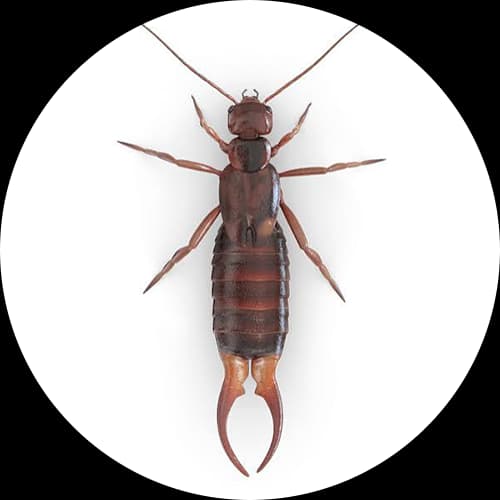
Earwigs (Dermaptera)
Earwigs are small to medium-sized insects belonging to the order Dermaptera. They are easily recognized by the pair of forceps-like pincers (cerci) located at the end of their abdomen. Despite common myths, earwigs do not crawl into human ears, lay eggs in ears, or pose a significant health risk to people.
Earwigs are primarily outdoor insects that prefer dark, moist environments. They become occasional household pests when they enter buildings in search of shelter, food, or protection from unfavorable weather conditions.
In pest management, earwigs are considered occasional nuisance pests. Their presence often indicates excess moisture, organic debris, or favorable outdoor hiding conditions.
Common earwig species include:
• European earwig (Forficula auricularia)
• Ring-legged earwig (Euborellia annulipes)
• Maritime earwig (Anisolabis maritima)
Identification
Dermaptera (Insecta: Arthropoda)
Key Identification Features
Life Cycle
Earwigs undergo gradual metamorphosis: Egg → Nymph → Adult.
They do not have larval or pupal stages.
Protected Soil & Compost Clusters
Common egg-laying sites:
Egg development: Approximately several days to weeks depending on temperature
Gradual Pincer Development
Characteristics:
Nymph development: Several weeks to months depending on species and environment
Nocturnal Foraging & Reproduction
Adult lifespan:
Several months, often around one year in favorable conditions
Reproduction
Earwigs have interesting parental behavior compared with many insects.
Reproductive Characteristics:
Breeding is encouraged by:
Feeding Habits
Earwigs are generally omnivorous.
Common Food Sources (They feed on):
Garden Feeding (Earwigs may feed on):
However, they may also provide benefits by feeding on other small pests.
Behavior
Earwigs are secretive insects that avoid light.
Activity Pattern:
• Mostly nocturnal
• Hide during daylight hours
• Become active at night
• Prefer cool, damp locations
Defensive Behavior:
When disturbed, earwigs may:
• Raise their pincers
• Move quickly away
• Use pincers defensively
The pincers are mainly used for:
They are not dangerous to humans.
Common Hiding Locations
Residential Areas
Common locations:
Commercial Areas
Frequently found in:
Outdoor Areas
Common habitats:
Signs of Earwig Activity
Live Sightings
Common indicators:
• Earwigs seen at night
• Insects hiding under objects
• Presence near damp areas
Plant Damage
Outdoor signs may include:
• Irregular holes in leaves
• Damaged flowers
• Feeding marks on soft plant tissues
Indoor Presence
Indicators:
• Earwigs near doors and windows
• Presence in damp rooms
• Insects found under stored materials
Damage and Nuisance Caused
Household Nuisance
Earwigs may cause:
• Fear and concern among occupants
• Unwanted indoor sightings
• Complaints in commercial properties
They generally do not:
Damage buildings | Infest stored products | Attack humans
Garden Damage
Some species may damage:
• Ornamental plants
• Vegetables
• Flowers
• Seedlings
Commercial Concerns
Earwigs may affect:
Hotels, Restaurants, Nurseries, Residential complexes
Concerns include:
• Customer complaints
• Perception of poor sanitation
• Outdoor pest pressure
Health Risks
Bites and Stings
Earwigs:
• Do not sting
• Do not have venom
• Rarely pinch when handled
A pinch may cause:
• Minor discomfort | • Temporary skin irritation
Disease Transmission
• Not known to transmit human diseases
• Not considered medically significant pests
Favorable Conditions
Earwigs thrive in:
Common contributing factors:
Seasonal Activity
Earwig activity increases during:
Indoor activity often increases during:
Control and Management
Effective earwig management requires an Integrated Pest Management (IPM) approach.
1. Inspection
Identify:
• Moisture sources
• Entry points
• Outdoor harborage areas
• Population levels
2. Habitat Modification
Reduce:
• Damp hiding areas
• Organic debris
• Excess vegetation
• Mulch accumulation
3. Exclusion
Prevent entry by:
• Sealing cracks
• Maintaining doors and windows
• Closing gaps around structures
4. Sanitation
Actions include:
• Removing debris
• Cleaning storage areas
• Maintaining dry conditions
5. Targeted Treatment
May include:
• Perimeter management
• Crack and crevice treatments
• Outdoor harborage reduction
Why Earwigs Are Difficult to Control
Earwigs can be challenging because they:
Distribution
Earwigs are found worldwide. They occur in:
They are especially common in warm and humid regions.
Comparison: Earwig vs. Cockroach
| Feature | Earwig | Cockroach |
|---|---|---|
| Size | 5–25 mm | Usually larger |
| Key Feature | Rear pincers | Flattened body and long antennae |
| Habitat | Moist outdoor areas | Indoor and outdoor habitats |
| Food | Organic matter and insects | Wide variety |
| Human Risk | Very low | Food contamination risk |
Comparison: Earwig vs. Silverfish
| Feature | Earwig | Silverfish |
|---|---|---|
| Body Shape | Flattened elongated | Teardrop-shaped |
| Tail Structure | Pincers | Three tail filaments |
| Activity | Mostly outdoor | Often indoor |
| Moisture Need | High | High |
| Feeding | Omnivorous | Starches and carbohydrates |
Common Moisture-Associated Pests
| Common Name | Characteristics |
|---|---|
| Earwig | Moisture-loving insect with pincers |
| Centipede | Predator found in damp areas |
| Millipede | Slow-moving decomposer |
| Silverfish | Indoor moisture-associated pest |
| Springtail | Tiny moisture-loving organism |
Quick Facts
| Feature | Details |
|---|---|
| Common Name | Earwig |
| Scientific Order | Dermaptera |
| Class | Insecta |
| Diet | Organic matter, insects, plants |
| Size | 5–25 mm |
| Development | Egg → Nymph → Adult |
| Activity | Mostly nocturnal |
| Habitat | Damp soil, gardens, buildings |
| Human Risk | Very low |
| Major Concern | Nuisance presence and occasional plant damage |
Prevention
Moisture Management
Important steps:
Outdoor Maintenance
Structural Prevention
Targeted Perimeter Barrier & Moisture Control
Stop nocturnal earwigs from invading bathrooms, basements, and foundation entryways with specialized exterior residual perimeter treatments and dampness remediation.
Protect Your Property from Earwigs
Professional, safe, and effective pest management solutions for homes and businesses.