German Cockroach
(Blattella germanica)
The German cockroach is the most common and troublesome indoor cockroach species worldwide. Learn about its identification, life cycle, habitat, feeding habits, behavior, health risks, signs of infestation, and prevention.
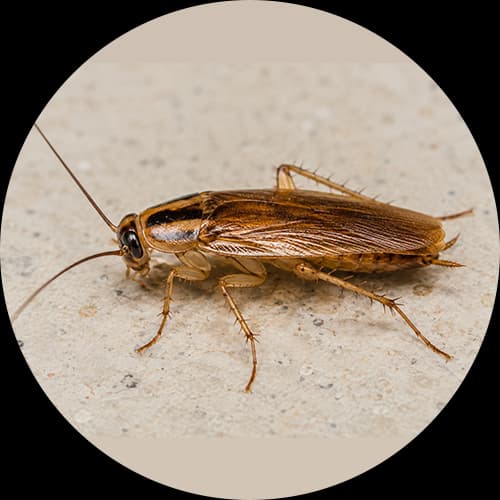
German Cockroach (Blattella germanica)
The German cockroach is the most common and troublesome indoor cockroach species worldwide. It is highly adaptable, reproduces rapidly, and thrives in warm, humid environments where food and water are readily available. Due to its fast breeding cycle and tendency to hide in inaccessible areas, it is one of the most difficult household pests to eliminate. German cockroaches are major public health pests, capable of contaminating food and triggering allergies and asthma.
Identification
Blattella germanica
Distinctive Features:
Two dark parallel stripes on the pronotum (behind the head)
Long antennae
Fully developed wings, but rarely flies
Fast-running and highly mobile
Life Cycle
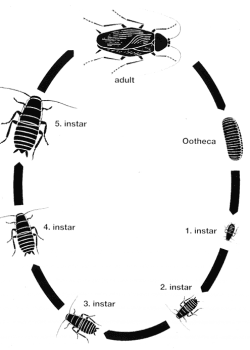
German cockroaches undergo incomplete metamorphosis consisting of three stages.
Egg (Ootheca)
Nymph
Adult
Incomplete Metamorphosis
German cockroaches undergo incomplete metamorphosis consisting of three stages: Egg (Ootheca), Nymph, and Adult.
Under ideal conditions, a single female may produce over 300 offspring during her lifetime.
Habitat
German cockroaches prefer warm, humid indoor environments.
Common hiding places include:
Kitchen cabinets
Under sinks
Behind refrigerators
Dishwashers
Food storage areas
Electrical appliances
Bathrooms
Wall voids
Feeding Habits
German cockroaches are omnivorous scavengers that feed on:
Behavior
Primarily nocturnal
Excellent climbers
Prefer to remain close to food and water sources
Heavy daytime activity usually indicates a severe infestation
Health Risks
German cockroaches:
Contaminate food with droppings and saliva
Carry bacteria such as Salmonella and E. coli
Trigger asthma and allergies through shed skins, droppings, and body fragments
Can spread microorganisms mechanically between contaminated surfaces and food
Signs of Infestation
Live cockroaches, especially at night
Pepper-like droppings
Egg capsules
Shed skins
Musty odor
Smear marks in humid areas
Prevention
Maintain strict sanitation
Store food in sealed containers
Repair plumbing leaks
Remove clutter
Seal cracks and crevices
Clean grease and food residues regularly
Inspect grocery bags and cardboard boxes before bringing them indoors
Professional Cockroach Control
Get in touch for specialized German cockroach elimination and long-lasting protection.
Protect Your Property from Cockroaches
Professional, safe, and effective pest management solutions for homes and businesses.