Norway Rat
(Rattus norvegicus)
The Norway rat (brown rat / sewer rat) is a heavy-bodied, ground-burrowing rodent infesting basements, sewers, and drainage systems, causing severe foundation damage, food contamination, and disease transmission. Learn about its identification, life cycle, burrows, behavior, and prevention.
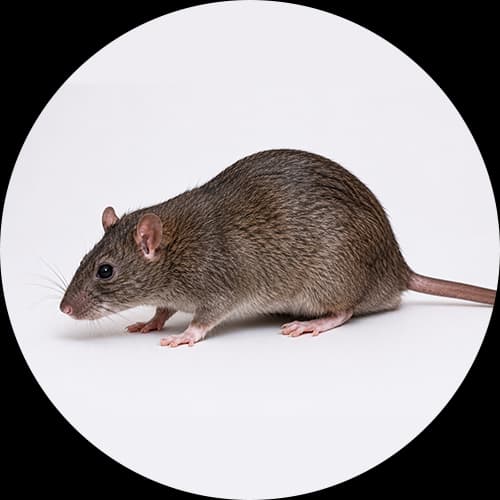
Norway Rat (Rattus norvegicus)
The Norway rat, also known as the brown rat, sewer rat, or common rat, is one of the most widespread and destructive rodent pests worldwide. It is highly adaptable and commonly found in urban, agricultural, industrial, and residential environments.
Norway rats are primarily ground-dwelling and burrowing rodents. They prefer lower levels of buildings, sewers, drainage systems, basements, warehouses, and outdoor burrows. They are strong swimmers and diggers, making them particularly successful in urban environments.
Norway rats are significant pest species because they contaminate food, damage structures through gnawing and burrowing, destroy stored products, and may transmit diseases through urine, droppings, and parasites.
Identification
Rattus norvegicus (Rodentia: Muridae)
Key Identification Features
Life Cycle
Norway rats reproduce rapidly and can establish large populations in suitable environments.
Gestation & Litters
Pup Stage
Learning Survival Behavior
Maturity & Lifespan
Average lifespan:
• Wild conditions: 6–12 months
• Protected environments: 1–2 years
Reproduction
Norway rats have a high reproductive capacity.
Nesting
Nests are constructed using:
Common nesting locations:
Feeding Habits
Norway rats are omnivorous and opportunistic feeders.
Common food sources include:
Feeding Behavior
Behavior
Norway rats are known for:
Nocturnal activity
Strong digging ability
Excellent swimming ability
Cautious behavior
Territorial habits
Strong sense of smell
Movement
Typical activity range: 30–50 metres from nesting sites.
They usually travel along:
Burrowing Behavior
Burrowing is a defining characteristic of Norway rats.
Burrows may contain:
• Multiple entrances
• Nest chambers
• Food storage areas
• Escape tunnels
Common burrow locations:
• Along foundations
• Under concrete slabs
• Near drains
• Beneath garbage areas
• Along embankments
• Around warehouses
Signs of Burrows:
• Holes approximately 5–10 cm wide
• Fresh soil excavation
• Grease marks near entrances
• Tracks and droppings nearby
Habitat
Norway rats are highly adaptable and commonly occupy ground-level environments.
Urban Areas
Commercial Areas
Agricultural Areas
Signs of Infestation
Droppings
• Length: approximately 18–25 mm
• Shape: Capsule-like with blunt ends
• Color: Dark brown to black
Common locations:
• Along walls | • Near food sources | • Storage areas | • Near burrows
Gnaw Marks
Continuous gnawing damages:
• Electrical wiring
• Wooden structures
• Plastic pipes
• Food packaging
• Building materials
Burrow Activity
Signs include:
• Fresh digging
• Soil piles
• Damaged vegetation
• Open holes near buildings
Noise
Common sounds:
• Scratching
• Gnawing
• Running
• Movement under floors and ceilings
Usually heard at night.
Other Signs:
Damage Caused
Norway rats cause significant economic and sanitation problems.
Food Contamination
They contaminate food through:
Affected industries:
Food processing, Warehouses, Restaurants, Agriculture
Structural Damage
Norway rats damage:
• Building foundations
• Floors
• Electrical cables
• Insulation
• Pipes
• Wooden structures
Burrowing can weaken:
Concrete foundations • Drainage systems • Landscaped areas
Agricultural Damage
They damage:
• Stored grains
• Animal feed
• Crops
• Seeds
• Livestock facilities
Health Risks
Norway rats are associated with several diseases and health concerns.
Leptospirosis
Caused by bacteria transmitted through infected urine. Risk increases in areas with contaminated water.
Salmonellosis
Food contamination caused by rodent droppings and urine.
Rat-Bite Fever
Can occur through bites or exposure to contaminated materials.
Hantavirus Illnesses
Some rodent species may carry hantaviruses.
Parasites
May carry:
• Fleas
• Mites
• Ticks
• Lice
Favorable Conditions
Norway rats thrive where there is:
High-risk locations include:
Seasonal Activity
Norway rats remain active throughout the year.
Activity may increase during:
• Cooler months when they seek indoor shelter
• Periods of food shortage
• Heavy rainfall or flooding
They often move indoors when outdoor conditions become unfavorable.
Control and Management
Effective Norway rat management requires an Integrated Pest Management (IPM) approach:
1. Inspection
Identify:
• Entry points
• Burrows
• Feeding areas
• Nesting locations
• Travel routes
2. Exclusion
Actions:
• Seal openings
• Reinforce vulnerable areas
• Maintain structural barriers
3. Sanitation
Actions:
• Remove food sources
• Improve waste management
• Reduce hiding places
4. Monitoring
Use:
• Rodent monitoring stations
• Tracking methods
• Regular inspections
Why Norway Rats Are Difficult to Control
Norway rats are challenging pests because they:
Distribution
Norway rats are distributed worldwide and occur in:
They are common in:
Comparison: Norway Rat vs. Roof Rat vs. House Mouse
| Feature | Norway Rat | Roof Rat | House Mouse |
|---|---|---|---|
| Scientific Name | Rattus norvegicus | Rattus rattus | Mus musculus |
| Body Size | Large and heavy | Medium and slender | Small |
| Weight | 200–500+ g | 120–300 g | 12–30 g |
| Snout | Blunt | Pointed | Pointed |
| Tail | Shorter than body | Longer than body | Long and thin |
| Ears | Small | Large | Large |
| Preferred Habitat | Ground, sewers, burrows | Roofs, trees, upper areas | Indoor spaces |
| Climbing Ability | Moderate | Excellent | Good |
| Burrowing Ability | Excellent | Poor | Limited |
Common Rodent Species Found Around Buildings
| Common Name | Scientific Name | Characteristics |
|---|---|---|
| Norway Rat | Rattus norvegicus | Ground burrower; sewer and drainage pest |
| Roof Rat | Rattus rattus | Excellent climber; roof and ceiling pest |
| House Mouse | Mus musculus | Small indoor rodent; rapid breeder |
| Bandicoot Rat | Bandicota spp. | Large agricultural burrowing rodent |
Quick Facts
| Feature | Details |
|---|---|
| Common Name | Norway Rat / Brown Rat |
| Scientific Name | Rattus norvegicus |
| Order | Rodentia |
| Family | Muridae |
| Diet | Omnivorous; grains, food waste, meat, crops |
| Activity | Mainly nocturnal |
| Habitat Preference | Ground burrows, sewers, basements, drains |
| Breeding Rate | High |
| Gestation Period | 21–23 days |
| Litter Size | 6–12 pups |
| Entry Size | Can enter openings around 12 mm |
| Lifespan | 6–12 months in wild conditions |
| Major Risk | Disease transmission, food contamination, structural damage |
Prevention
Structural Prevention
Sanitation Measures
Environmental Management
Professional Sewer & Norway Rat Management
Protect basements, foundations, and commercial drains with specialized rodent exclusion, tamper-resistant sewer baiting, and burrow management.
Protect Your Property from Norway Rats
Professional, safe, and effective pest management solutions for homes and businesses.