Psocids
(Booklice / Barklice) (Psocoptera / Psocodea)
Psocids are tiny, soft-bodied moisture indicator insects that feed on microscopic mold spores, fungi, and starch adhesives in books, paper archives, and food packaging. Learn about their identification, gradual metamorphosis life cycle, comparison tables, and prevention.
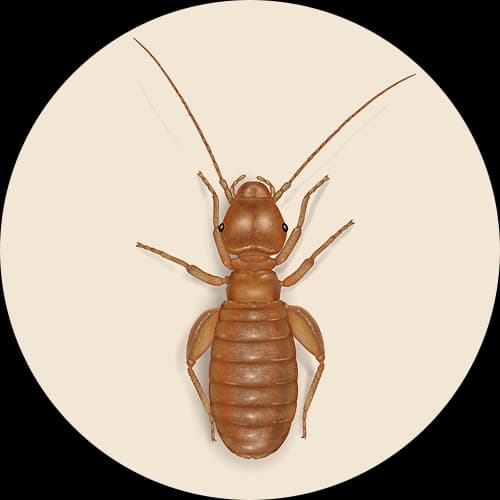
Psocids (Booklice / Barklice)
Psocids, commonly known as booklice or barklice, are tiny soft-bodied insects belonging to the order Psocodea. They are commonly found in damp indoor environments where mold, fungi, and organic debris are present.
Despite their name, booklice are not true lice and do not feed on humans or animals. They do not bite, sting, or transmit diseases. They are considered stored product and moisture indicator pests because their presence often points to excessive humidity, moisture problems, mold growth, or poor ventilation.
Psocids are commonly found in:
- • Homes
- • Libraries
- • Museums
- • Food storage areas
- • Warehouses
- • Paper and packaging storage facilities
- • Commercial buildings
Common pest-associated groups:
• Booklice (Liposcelis spp.)
• Barklice (various Psocidae species)
Identification
Psocodea / Psocoptera (Insecta)
Key Identification Features
Life Cycle
Psocids undergo gradual metamorphosis: Egg → Nymph → Adult.
They do not have larval or pupal stages.
Protected Silk & Debris Placement
Common egg-laying sites:
Egg development: Several days to weeks depending on temperature and humidity
Gradual Metamorphosis Molts
Nymph development: Approximately 2–8 weeks depending on environmental conditions
Rapid Humid Reproduction
Adult lifespan:
Several weeks to several months depending on species and environment
Reproduction
Psocids can reproduce rapidly when moisture conditions are favorable.
Reproductive Characteristics:
Population growth is encouraged by:
Feeding Habits
Psocids feed mainly on microscopic organic materials.
Common Food Sources:
They may feed on:
Behavior
Psocids are moisture-dependent insects.
Activity Pattern:
• Active throughout the day and night
• Prefer dark, humid areas
• Move slowly across surfaces
• Hide in cracks and stored materials
Common Hiding Locations:
Indoor:
- • Bookshelves
- • Paper stacks
- • Cardboard boxes
- • Food storage areas
- • Cabinets
- • Wall cracks
- • Window frames
Commercial:
- • Warehouses
- • Archives
- • Libraries
- • Food storage rooms
- • Packaging areas
Habitat
Psocids are strongly associated with moisture.
Residential Areas
Common locations:
Commercial Areas
Frequently found in:
Industrial Areas
Common habitats:
Signs of Psocid Activity
Visible Insects
Indicators include:
• Tiny moving insects on books or shelves
• Small pale insects on stored materials
• Increased activity in humid areas
Mold / Moisture Indicators
Presence may indicate:
• High humidity
• Water leaks
• Condensation
• Mold growth
Stored Product Signs
Possible findings:
• Psocids inside packaging
• Infestation of stored materials
• Small insects around cardboard or paper
Damage and Nuisance Caused
Psocids generally do not cause structural damage.
Book & Paper Damage
Large populations may affect:
Books, Documents, Archives, Paper products
They may feed on:
• Mold growing on paper
• Starch-based adhesives
Stored Product Concerns
Psocids may occur in:
Grain products, Dried foods, Packaging materials
They are usually an indicator of poor storage conditions rather than the primary cause of product damage.
Commercial Impact
Psocids can affect: Libraries, Food facilities, Warehouses, Museums, Packaging industries
Concerns include:
• Product rejection
• Quality complaints
• Hygiene concerns
• Storage condition issues
Health Risks
Psocids are considered low-risk pests.
Biting
• Do not bite humans
• Do not feed on blood
• Do not infest human bodies
Disease Transmission
Not considered disease vectors
Allergy Concerns
Large infestations may contribute to:
• Insect debris accumulation
• Possible sensitivity reactions in some individuals
Favorable Conditions
Psocids thrive in:
Common contributing factors:
Seasonal Activity
Psocid activity increases during:
Indoor infestations may continue year-round where moisture remains available.
Control and Management
Effective psocid management requires an Integrated Pest Management (IPM) approach.
1. Inspection
Identify:
• Moisture sources
• Infested materials
• Mold growth
• Storage conditions
2. Moisture Correction
The primary control measure:
• Reduce humidity
• Repair water sources
• Improve ventilation
• Dry affected areas
3. Sanitation and Removal
Actions include:
• Remove infested materials
• Clean shelves
• Dispose of moldy products
• Improve storage practices
4. Monitoring
Methods include:
• Regular inspections
• Humidity monitoring
• Stored product checks
• Visual monitoring
5. Targeted Treatment
May include:
• Localized pest management treatments
• Crack and crevice applications where appropriate
• Treatment of affected storage areas after moisture correction
Why Psocids Are Difficult to Control
Psocids can be challenging because they:
Distribution
Psocids are found worldwide and occur in:
They are especially common in warm and humid climates.
Comparison: Psocid vs. Termite vs. Book Louse
| Feature | Psocid | Termite | Book Louse |
|---|---|---|---|
| Size | 0.5–6 mm | Larger | 0.5–2 mm common |
| Feeding | Mold, fungi, organic matter | Cellulose/wood | Mold and organic matter |
| Damage | Minimal | Structural damage possible | Paper contamination |
| Moisture Need | Very high | Moderate-high | Very high |
| Human Risk | None | None | None |
Comparison: Psocid vs. Insect
| Feature | Psocid | Typical Insect |
|---|---|---|
| Body | Soft-bodied | Variable |
| Legs | Six | Six |
| Wings | Some species | Often present |
| Size | Very small | Usually larger |
| Feeding | Mold and organic matter | Wide variety |
Common Moisture-Associated Pests Around Buildings
| Common Name | Characteristics |
|---|---|
| Psocid | Tiny insect associated with mold and humidity |
| Silverfish | Moisture-loving paper-damaging insect |
| Springtail | Tiny jumping organism found in damp areas |
| Mold Mite | Microscopic pest associated with mold |
| Fungus Gnat | Breeds in moist organic soil |
Quick Facts
| Feature | Details |
|---|---|
| Common Name | Psocid / Booklouse |
| Scientific Order | Psocodea |
| Class | Insecta |
| Diet | Mold, fungi, organic debris |
| Size | 0.5–6 mm |
| Activity | Year-round indoors under suitable conditions |
| Habitat | Damp areas, paper, stored products |
| Reproduction | Egg → Nymph → Adult |
| Human Risk | None; does not bite |
| Major Concern | Moisture indication and stored material contamination |
Prevention
Moisture Management
The most important prevention method:
Storage Management
Sanitation Management
Professional Psocid & Humidity Management Solutions
Protect archival documents, libraries, and food warehouses with targeted moisture audits, ventilation advice, and non-destructive treatment solutions.
Protect Your Property from Psocids
Professional, safe, and effective pest management solutions for homes and businesses.