Subterranean Termites
(Family: Rhinotermitidae)
Subterranean termites are among the most destructive structural pests worldwide. Living in large underground colonies, they feed primarily on cellulose found in wood and other plant-based materials. Learn about their identification, colony structure, life cycle, signs of infestation, damage, and prevention.
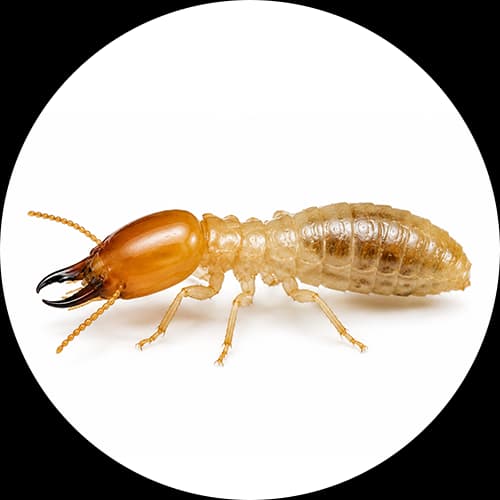
Subterranean Termites (Family: Rhinotermitidae)
Subterranean termites are among the most destructive structural pests worldwide. Living in large underground colonies, they feed primarily on cellulose found in wood and other plant-based materials. Unlike drywood termites, subterranean termites require constant contact with moisture and soil to survive. They construct distinctive mud tubes to travel between their underground nests and above-ground food sources while maintaining the humidity necessary for their survival.
Because they often feed inside wood, structural damage may go unnoticed for years before signs of infestation become visible. They are responsible for billions of dollars in property damage annually worldwide.
Identification
Rhinotermitidae
Termite Caste Identification
Worker Termites
Size: 3–6 mm
Color: Creamy white to pale gray
Soldier Termites
Similar size to workers
Pale body with enlarged amber to brown head
Reproductive (Alates or Swarmers)
Size: 8–15 mm including wings
Dark brown to black body
Colony Structure
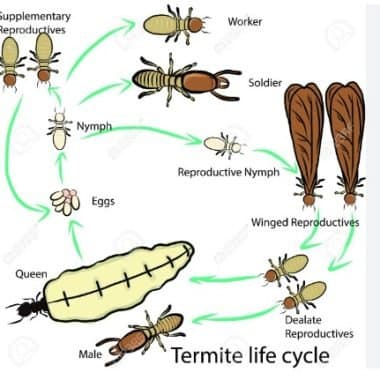
Subterranean termite colonies are highly organized social systems consisting of different castes.
Queen
King
Workers
Soldiers
Swarmers (Winged Reproductives)
Life Cycle
Subterranean termites undergo incomplete metamorphosis.
Egg Stage
Nymph Stage
Adult Castes
A mature colony may contain 100,000 to over 1 million termites, depending on the species and age of the colony.
Reproduction
Subterranean termites reproduce through swarming.
During favorable environmental conditions:
Queen Longevity & Population Growth
A termite queen can live 10–20 years producing thousands of eggs annually, sustaining colonies of over 1 million individuals.
Secondary reproductives can develop within the nest, allowing damaged colonies to recover and expand continuously.
Habitat
Subterranean termites require constant moisture and contact with soil.
Typical habitats include:
They commonly enter buildings through:
Feeding Habits
Subterranean termites feed on cellulose found in:
Workers consume cellulose and transfer nutrients to the rest of the colony through trophallaxis (food sharing).
Behavior
Live in underground colonies
Build protective mud tubes between soil and food sources
Avoid exposure to sunlight and dry air
Feed continuously throughout the year where temperatures permit
Most active in warm, humid environments
Capable of causing extensive hidden structural damage before becoming visible
Signs of Infestation
Common indicators include:
Mud tubes on walls, foundations, piers, or utility lines
Hollow-sounding timber
Wood that breaks easily or appears blistered
Swarms of winged termites indoors or outdoors
Discarded wings near windows, doors, or light sources
Tight-fitting doors or windows caused by moisture-damaged wood
Visible galleries inside damaged timber lined with soil
Damage Caused
Subterranean termites consume wood from the inside outward, often leaving only a thin outer surface intact.
Commonly damaged materials include:
If left untreated, infestations can compromise the structural integrity of buildings.
Favorable Conditions
Subterranean termites thrive where the following conditions exist:
Seasonal Activity
Subterranean termites remain active year-round in warm climates.
Swarming generally occurs:
Swarming periods vary by species and geographic region.
Why Subterranean Termites Are Difficult to Eliminate
Subterranean termites are particularly challenging because they:
Distribution
Subterranean termites are found on every continent except Antarctica and are especially common in:
Major pest species occur throughout North America, South America, Europe, Africa, Asia, and Australia.
Common Pest Species
| Common Name | Scientific Name | Distribution |
|---|---|---|
| Formosan Subterranean Termite | Coptotermes formosanus | Asia, United States, Pacific Islands |
| Asian Subterranean Termite | Coptotermes gestroi | South and Southeast Asia, tropical regions |
| Eastern Subterranean Termite | Reticulitermes flavipes | North America |
| Western Subterranean Termite | Reticulitermes hesperus | Western North America |
| Indian White Termite | Odontotermes obesus | Indian subcontinent |
| Heterotermes Species | Heterotermes spp. | Tropical and subtropical regions |
Quick Facts
| Feature | Details |
|---|---|
| Common Name | Subterranean Termites |
| Scientific Family | Rhinotermitidae |
| Diet | Cellulose (wood and plant-based materials) |
| Colony Size | 100,000–1,000,000+ individuals |
| Nest Location | Underground in soil |
| Development | Egg → Nymph → Worker/Soldier/Reproductive |
| Queen Lifespan | 10–20 years |
| Primary Damage | Structural wood destruction |
| Distinctive Sign | Mud tubes connecting soil to wood |
| Active Period | Year-round in warm climates |
| Swarming Season | Spring to early summer (varies by species and region) |
| Major Risk | Hidden structural damage and costly repairs |
Prevention
Effective prevention measures include:
Eliminate wood-to-soil contact
Repair leaking pipes and plumbing
Improve site drainage
Maintain proper ventilation in crawl spaces
Keep firewood away from buildings
Remove tree stumps and buried wood debris
Maintain a visible inspection zone around foundations
Seal foundation cracks and utility penetrations
Conduct regular professional termite inspections
Install approved termite management systems where appropriate
Professional Termite Management
Get in touch for specialized pre-construction and post-construction anti-termite drill-fill-seal treatments with warranty protection.
Protect Your Property from Subterranean Termites
Professional, safe, and effective pest management solutions for homes and businesses.