Weeds as Pest
(Unwanted Vegetation) (Plantae)
Weeds are aggressive unwanted plants that outcompete desirable flora for water and nutrients, lift structural pavements, harbor rodents and snakes, and trigger allergic dermatitis and rhinitis. Learn about weed growth types, annual vs perennial cycles, weed vs grass comparison, and integrated vegetation management.
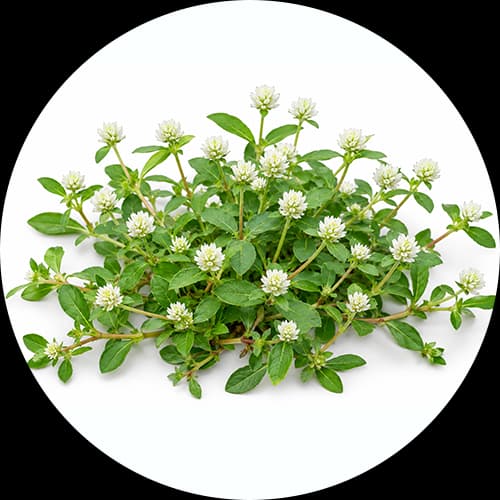
Weeds as Pest (Unwanted Vegetation)
Weeds are plants that grow where they are not desired and interfere with human activities, agriculture, landscaping, infrastructure, or ecosystem management. While many weeds are natural components of the environment, they become pests when they compete with desirable plants, damage property, reduce productivity, or create health and safety concerns.
Weeds are among the most common pest management challenges in:
Weeds may grow rapidly because of their ability to:
• Produce large numbers of seeds
• Spread through roots or plant fragments
• Adapt to harsh environments
• Compete effectively for water, nutrients, and sunlight
Common pest weeds include:
• Common lambsquarters (Chenopodium album)
• Bermuda grass (Cynodon dactylon)
• Nutgrass / Nutsedge (Cyperus rotundus)
• Parthenium weed (Parthenium hysterophorus)
• Dandelion (Taraxacum officinale)
• Crabgrass (Digitaria spp.)
• Bindweed (Convolvulus spp.)
Identification
Unwanted Vegetation (Plantae)
Common Features
✓ Green leafy growth
✓ Rapid reproduction ability
✓ Extensive root systems
✓ High seed production
✓ Ability to survive unfavorable conditions
Weed Growth Types
1. Broadleaf Weeds
Characteristics:
• Wide leaves
• Branched growth
• Often flowering plants
Examples:
2. Grass Weeds
Characteristics:
• Narrow leaves
• Parallel leaf veins
• Fibrous root systems
Examples:
3. Sedges
Characteristics:
• Triangular stems
• Grass-like appearance
• Underground tubers
Examples:
Life Cycle
Weeds may be classified based on their growth duration.
Single Growing Season Cycle
Examples & Characteristics:
Two-Year Developmental Cycle
Multi-Year Persistent Root Systems
Examples:
Reproduction
Weeds reproduce through multiple methods.
Seed Production
Many weeds produce:
Thousands of seeds, Lightweight seeds, Easily dispersed seeds
Seeds spread through:
Vegetative Reproduction
Some weeds spread through plant parts:
Examples:
Bermuda grass, Nutgrass
Growth and Spread
Weeds spread efficiently because they:
• Grow quickly
• Tolerate poor conditions
• Compete strongly with other plants
• Produce persistent seeds
Habitat
Weeds can grow in almost any environment.
Residential Areas
Common locations:
Commercial Areas
Frequently found in:
Agricultural Areas
Common locations:
Urban Infrastructure
Found around:
Signs of Weed Activity
Visible Plant Growth
Indicators:
• Unwanted plants in lawns
• Vegetation around buildings
• Growth through cracks and gaps
Reduced Plant Performance
Signs include:
• Weak lawns
• Reduced crop growth
• Poor ornamental plant health
Seed Production
Indicators:
• Flowering weeds
• Seed heads
• Increased spread after maturity
Damage and Nuisance Caused
Competition with Plants
Weeds compete for:
Water, Nutrients, Sunlight, Growing space
This may reduce:
• Crop yield
• Lawn quality
• Landscape appearance
Structural Damage
Certain weeds may damage:
Pavements, Drainage systems, Building foundations
Root growth can:
• Lift paving materials
• Block drainage paths
• Enter cracks
Pest Harboring
Dense weed growth may provide shelter for:
• Rodents
• Snakes
• Insects
• Other nuisance pests
Fire Risk
Dry weed growth may:
• Increase combustible vegetation
• Create fire hazards in dry seasons
Health Risks
Allergens
Some weeds produce pollen that may cause:
• Sneezing
• Nasal irritation
• Allergic reactions
Examples:
Parthenium, Ragweed-type plants
Skin Irritation
Certain weeds may cause:
• Dermatitis
• Skin irritation
• Allergic reactions
Pest Attraction
Dense weeds may support:
• Mosquito breeding areas
• Rodent shelters
• Insect populations
Favorable Conditions
Weeds grow well with:
Common contributing factors:
Seasonal Activity
Weed growth depends on climate and species.
Common Growth Periods:
In tropical and subtropical regions, many weeds can grow throughout the year.
Control and Management
Effective weed management requires an Integrated Pest Management (IPM) approach.
1. Inspection
Identify:
• Weed species
• Growth stage
• Spread pattern
• Source of infestation
2. Mechanical Control
Methods & Suitability:
• Hand removal, Digging, Mowing, Trimming, Cultivation
• Best suited for: Small infestations, Early growth stages
3. Cultural Control
Practices include:
• Maintaining healthy vegetation
• Proper irrigation
• Correct fertilization
• Reducing bare soil
4. Physical Barriers
Methods include:
• Mulching
• Landscape fabric
• Ground covers
5. Chemical Control
Application & Regulations:
• Selective herbicides
• Non-selective herbicides
• Targeted application methods
• Use should follow label directions and local regulations
6. Monitoring
Regular monitoring helps:
• Detect early growth
• Prevent seed production
• Reduce long-term infestations
Why Weeds Are Difficult to Control
Weeds are challenging because they:
Distribution
Weeds occur worldwide.
They are found in:
Comparison: Weeds vs. Grass
| Feature | Weeds | Desired Grass |
|---|---|---|
| Growth | Often aggressive | Managed growth |
| Competition | High | Intended vegetation |
| Maintenance | Requires removal | Requires care |
| Spread | Rapid | Controlled |
Comparison: Weeds vs. Insect Pests
| Feature | Weeds | Insect Pests |
|---|---|---|
| Type | Plants | Arthropods |
| Movement | Stationary | Mobile |
| Damage | Competition and obstruction | Feeding and contamination |
| Control | Herbicides, removal | Insect management |
Common Landscape Pests
| Common Name | Characteristics |
|---|---|
| Weeds | Unwanted plant growth |
| Termites | Wood-destroying pests |
| Ants | Soil and structural pests |
| Mosquitoes | Breeding-water-associated pests |
| Rodents | Food and property pests |
Quick Facts
| Feature | Details |
|---|---|
| Common Name | Weeds |
| Classification | Plants (various species) |
| Growth Type | Annual, biennial, perennial |
| Spread | Seeds and vegetative growth |
| Habitat | Lawns, gardens, farms, structures |
| Main Concern | Competition, appearance, property impact |
| Health Risk | Allergens and irritation |
| Control Approach | IPM, removal, prevention, targeted treatments |
Prevention
Landscape Management
Important measures:
Soil & Moisture Management
Physical Prevention
Industrial & Commercial Herbicide Vegetation Management
Eliminate invasive weeds, fire hazards, and structural root intrusion along fences, solar plants, and commercial properties with selective and non-selective residual herbicide programs.
Protect Your Grounds & Property from Invasive Weeds
Professional, safe, and effective integrated vegetation management for residential lawns, commercial campuses, and industrial sites.