Wood Borers
(Wood-Boring Beetles) (Coleoptera)
Wood borers are destructive beetle larvae that bore internal galleries through structural timber, antique furniture, flooring, and bamboo products while producing fine powdery frass and round exit holes. Learn about their identification, complete metamorphosis life cycle, wood borer vs termite comparison, and preservation treatments.
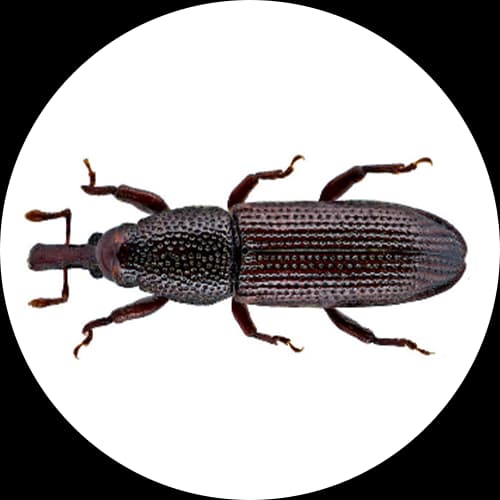
Wood Borers (Wood-Boring Beetles)
Wood borers are a group of insects whose larvae feed and develop inside wood. They belong mainly to several beetle families within the order Coleoptera. Wood-boring insects are considered important structural and stored timber pests because their feeding activity can weaken wooden materials over time.
The damage is primarily caused by the larval stage, which tunnels through wood while feeding on cellulose, starch, and other wood components. Adult beetles usually emerge from wood to reproduce and lay eggs, continuing the infestation cycle.
Wood borers may attack:
- • Structural timber
- • Furniture
- • Wooden flooring
- • Doors and window frames
- • Bamboo products
- • Stored timber
- • Wooden artifacts
Common beetle groups:
• Powderpost beetles (Lyctidae)
• Furniture beetles (Anobiidae)
• Longhorn beetles (Cerambycidae)
• Deathwatch beetles (Anobiidae)
Identification
Coleoptera (Bostrichidae, Lyctidae, Anobiidae)
Larval Stage (Main Damage Stage)
Key Identification Features
Life Cycle
Wood borers undergo complete metamorphosis: Egg → Larva → Pupa → Adult.
Timber Crevices & Pore Placement
Common egg-laying locations:
Egg period: Several days to several weeks depending on species
The Most Destructive Phase
Larval duration: Several months to several years depending on species, wood type, and conditions
Internal Chamber Metamorphosis
Pupal period: Several weeks
Exit Hole Emergence & Mating
Adult lifespan:
Several days to several months depending on species
Reproduction
Wood borers reproduce by laying eggs directly onto suitable wood.
Reproductive Characteristics:
Factors encouraging reproduction:
Feeding Habits
Larval Feeding (Larvae feed on):
Different species prefer different wood types.
Adult Feeding:
Many adult wood borers:
• Feed minimally
• Do not damage structures significantly
• Focus mainly on reproduction
Behavior
Wood borers spend most of their life hidden inside wood.
Activity Pattern:
• Larvae remain concealed inside timber
• Adults emerge mainly during warm seasons
• Some species are attracted to light
Common Hiding and Breeding Locations:
Signs of Wood Borer Activity
Exit Holes
One of the most common indicators.
• Small round holes
• Approximately 1–10 mm depending on species
Locations:
Furniture surfaces, Wooden beams, Flooring, Panels
Frass (Wood Dust)
Signs include:
• Fine powder beneath wooden items
• Grain-like pellets
• Dust emerging from holes
Frass appearance varies by species.
Tunneling Damage
Internal damage may include:
• Hollow-sounding wood
• Weak timber
• Surface cracking
• Structural weakening
Adult Beetle Emergence
Indicators:
• Small beetles found near wood
• Fresh exit holes
• Increased activity during warm periods
Damage Caused
Wood borers are important structural pests because they can compromise wooden materials.
Structural Damage
Possible damage includes:
• Reduced timber strength
• Weakening of beams and supports
• Damage to flooring
• Deterioration of wooden fixtures
Furniture Damage
Affected items:
• Wooden furniture
• Antique items
• Cabinets
• Decorative wood products
Stored Timber Damage
Commonly affected:
• Lumber
• Bamboo
• Wooden pallets
• Construction materials
Economic Impact
Wood borers may cause:
Industries affected:
Health Risks
Wood borers are generally not harmful to humans.
Bites and Stings:
• Do not bite humans | • Do not sting
Allergic Concerns:
Wood dust from damaged timber may contribute to:
• Respiratory irritation
• Allergic reactions in sensitive individuals
Favorable Conditions
Wood borers thrive in:
Common contributing factors:
Seasonal Activity
Activity often increases during:
Indoor infestations may continue year-round when wood conditions remain favorable.
Control and Management
Effective wood borer management requires an Integrated Pest Management (IPM) approach.
1. Inspection & Identification
Identify:
• Beetle species
• Damage extent
• Active vs. old infestation
• Wood condition
2. Moisture Correction
Essential steps:
• Remove moisture sources
• Improve ventilation
• Dry affected timber
3. Wood Treatment
Control options may include:
• Surface treatments
• Wood preservatives
• Targeted applications
• Replacement of severely damaged wood
4. Monitoring
Methods include:
• Checking exit holes
• Monitoring fresh frass
• Inspecting wooden structures regularly
Why Wood Borers Are Difficult to Control
Wood borers are challenging because they:
Distribution
Wood-boring beetles are found worldwide. They occur in:
They are especially common in warm and humid regions.
Comparison: Wood Borer vs. Termite
| Feature | Wood Borer | Termite |
|---|---|---|
| Insect Group | Beetle larvae | Social insects |
| Damage Stage | Larvae | Workers |
| Feeding | Tunnels inside wood | Consumes cellulose |
| Colony Structure | Usually solitary | Large colonies |
| Damage Signs | Exit holes and frass | Mud tubes, hollow wood |
| Detection | Often after emergence | Can be hidden for years |
Comparison: Wood Borer vs. Carpenter Ant
| Feature | Wood Borer | Carpenter Ant |
|---|---|---|
| Damage | Eats/tunnels through wood | Excavates galleries |
| Food Source | Wood nutrients | Does not eat wood |
| Main Damage Stage | Larvae | Adult workers |
| Frass | Powder-like wood dust | Coarse debris |
| Colony | Usually limited | Social colony |
Common Wood-Damaging Pests
| Common Name | Characteristics |
|---|---|
| Wood Borer | Beetle larvae tunneling inside timber |
| Termite | Colony insect feeding on cellulose |
| Carpenter Ant | Excavates wood for nesting |
| Carpenter Bee | Bores holes into exposed wood |
| Powderpost Beetle | Produces fine powder from hardwood damage |
Quick Facts
| Feature | Details |
|---|---|
| Common Name | Wood Borer / Wood-Boring Beetle |
| Scientific Order | Coleoptera |
| Main Damage Stage | Larva |
| Diet | Wood cellulose and starch |
| Development | Egg → Larva → Pupa → Adult |
| Habitat | Timber, furniture, wooden structures |
| Activity | Mostly hidden inside wood |
| Lifespan | Months to several years |
| Human Risk | Very low |
| Major Concern | Structural and furniture damage |
Prevention
Wood Protection
Moisture Management
Important measures:
Storage Management
For timber and wooden products:
Structural Maintenance
Specialized Wood Borer Injection & Timber Preservation
Protect antique furniture, wooden flooring, and roof timber with specialized syringe-injected wood preservatives, frass clearance, and surface coating.
Protect Your Property from Wood Borers
Professional, safe, and effective pest management solutions for homes and businesses.